
Worm Gearbox Bore Sizes Explained

Worm gearbox bore sizes explained
Worm gearbox bore sizes explained
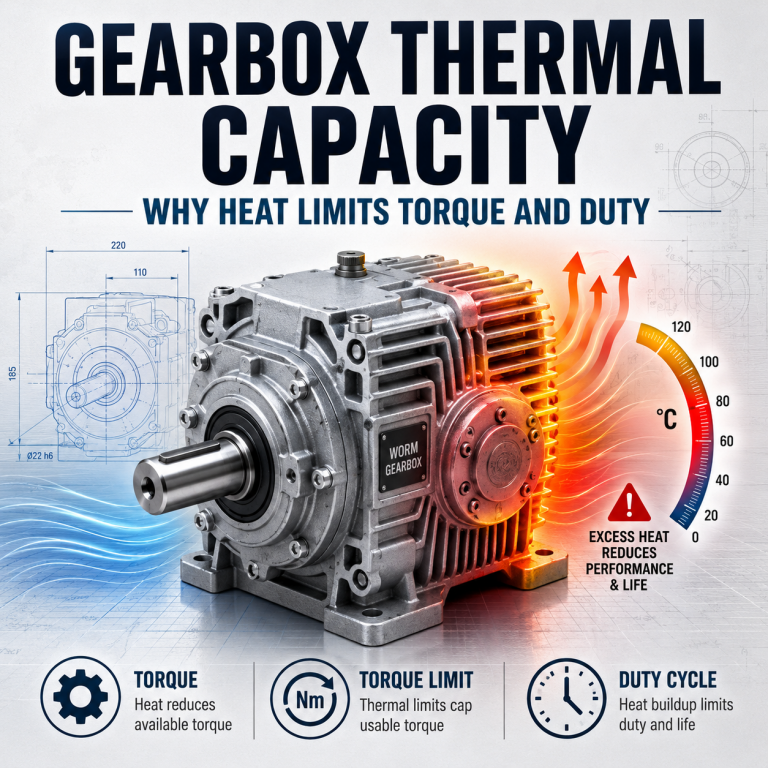
Gearbox Thermal Capacity Explained: Why Heat Limits Torque and Duty When selecting a gearbox, most buyers focus on output torque, ratio, bore size, mounting position and motor power. However, one of the most important limits is often overlooked: gearbox thermal…
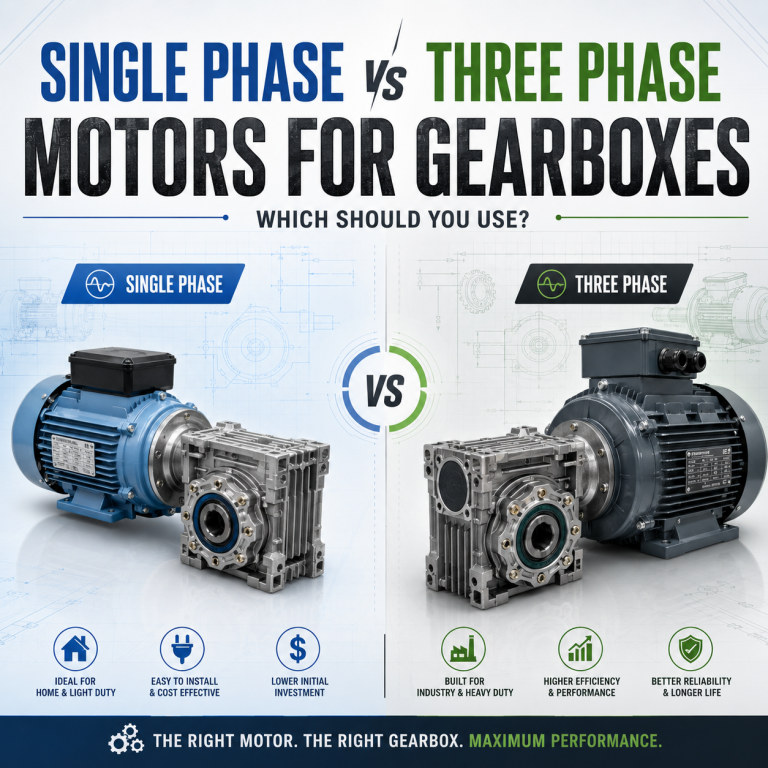
Single Phase vs Three Phase Motors for Gearboxes: Which Should You Use? Choosing the right motor for a gearbox is just as important as choosing the correct gearbox ratio, output torque, mounting position and bore size. One of the most…
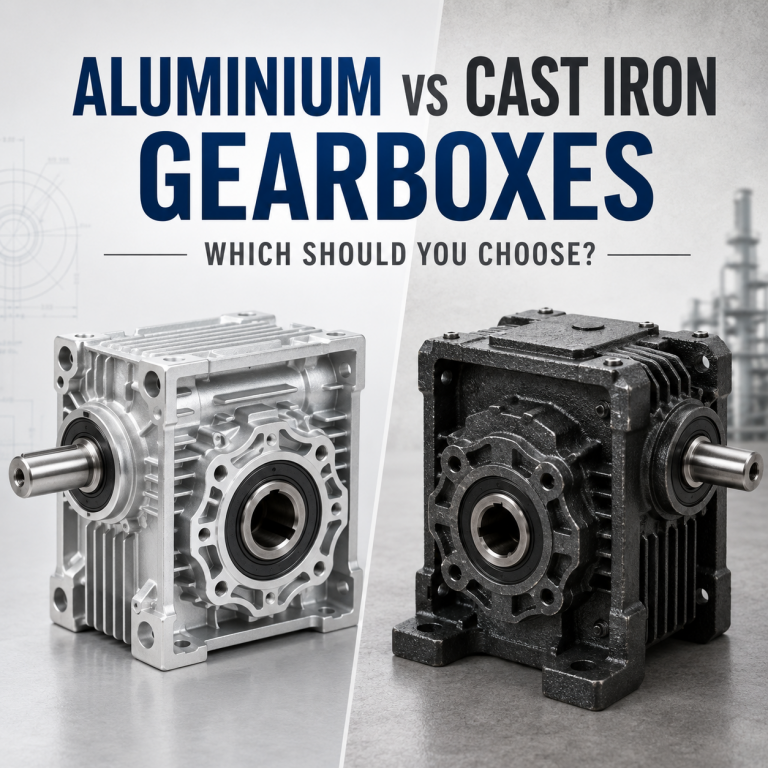
Aluminium vs Cast Iron Gearboxes: Which Housing Material Should You Choose? When choosing a gearbox, most buyers focus on ratio, output torque, bore size, mounting style and motor compatibility. However, the gearbox housing material is just as important. The choice…
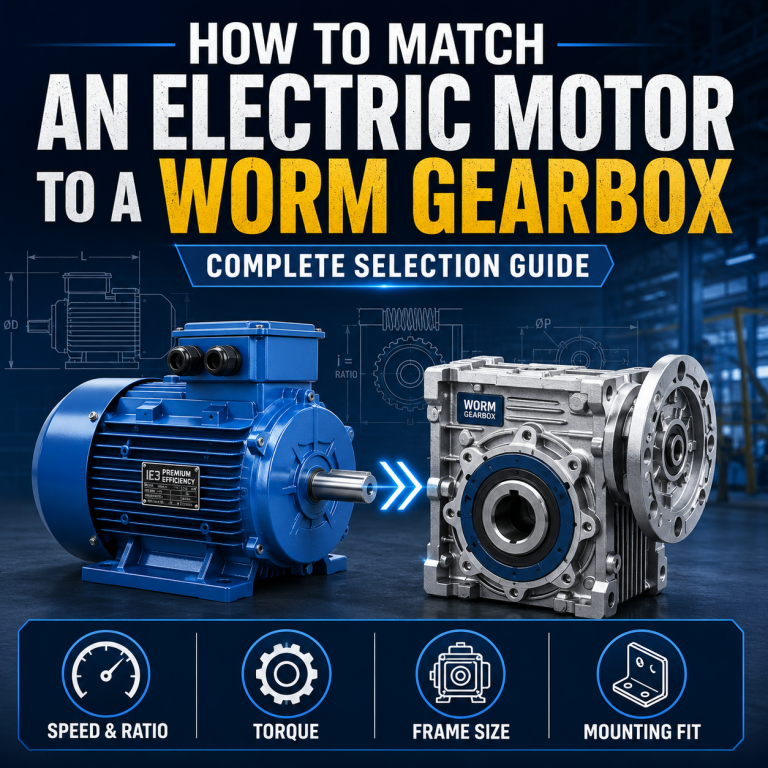
How to Match an Electric Motor to a Worm Gearbox Matching an electric motor to a worm gearbox is one of the most important parts of building a reliable industrial drive system. The motor provides the input power and speed,…
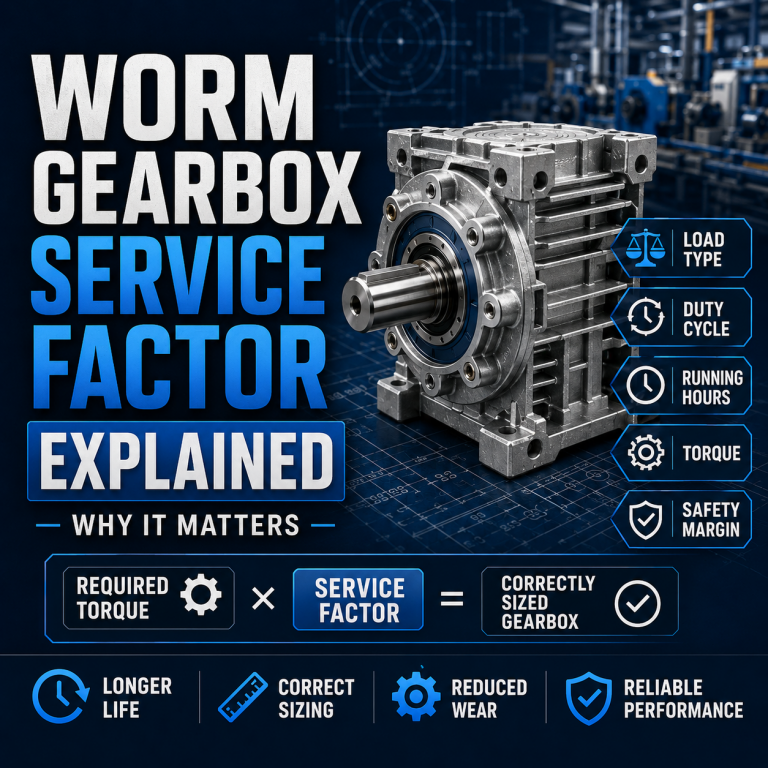
Worm Gearbox Service Factor Explained: What It Means and Why It Matters When choosing a worm gearbox, it is not enough to select a unit based only on ratio, motor power or output speed. One of the most important factors…

How to Choose the Right Worm Gearbox Ratio for Your Application Choosing the right worm gearbox ratio is one of the most important steps when selecting a gearbox for a conveyor, packaging machine, lifting mechanism, mixer, turntable, feeder or general…

Worm Gearbox vs Helical Gearbox: What’s the Difference and Which Should You Choose? Choosing between a worm gearbox and a helical gearbox is one of the most important decisions when specifying a drive system. Both are designed to reduce speed…

How to Match a Gearbox to a Motor – Complete Selection Guide Choosing the right gearbox and motor combination is one of the most important parts of building a reliable drive system. If the ratio is wrong, the output speed…