
IEC Motor Flange Sizes: B5 vs B14 Gearbox Inputs

IEC MOTOR FLANGE SIZES
IEC MOTOR FLANGE SIZES

Electric Motor Frame Sizes Explained: IEC 56 to IEC 160 Buyer’s Guide Electric motor frame size is one of the most important details to check when replacing a motor or matching a motor to a gearbox. Even if the power…
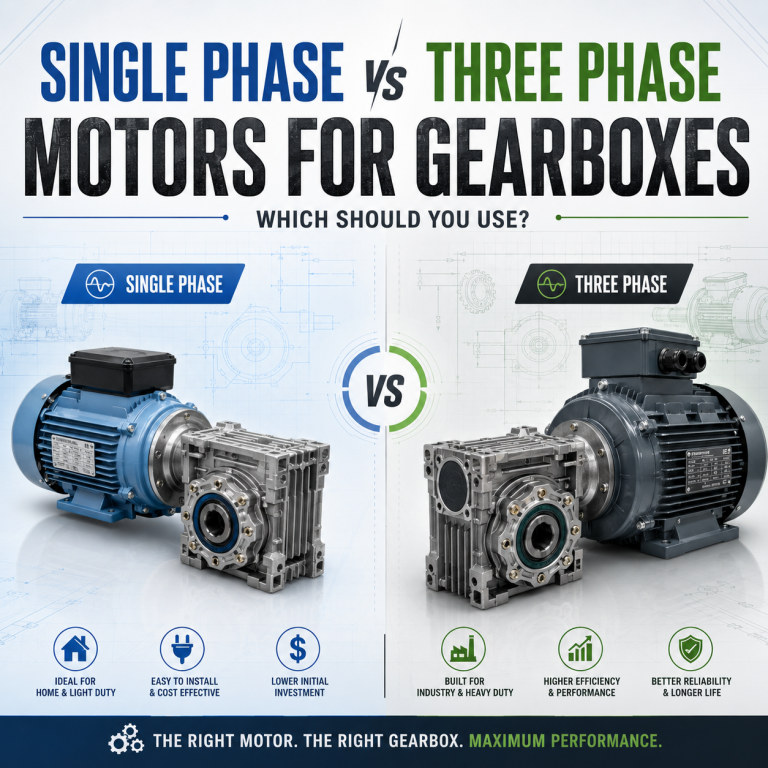
Single Phase vs Three Phase Motors for Gearboxes: Which Should You Use? Choosing the right motor for a gearbox is just as important as choosing the correct gearbox ratio, output torque, mounting position and bore size. One of the most…
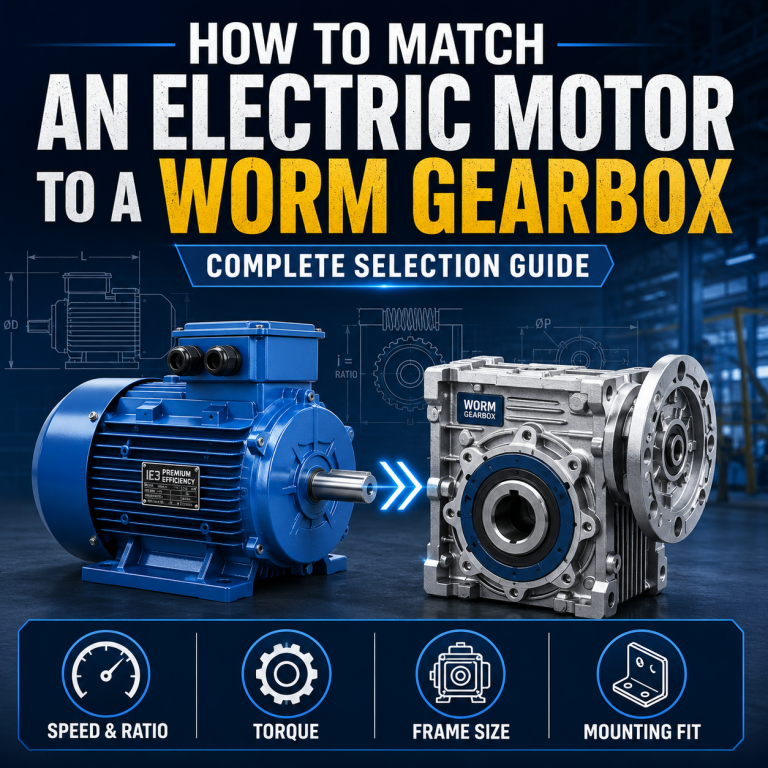
How to Match an Electric Motor to a Worm Gearbox Matching an electric motor to a worm gearbox is one of the most important parts of building a reliable industrial drive system. The motor provides the input power and speed,…

Brake Motor vs Standard Motor: Which One Do You Need? Choosing between a brake motor and a standard electric motor depends on how your machine needs to stop, hold position and operate under load. A standard motor is suitable for…

How to Match a Gearbox to a Motor – Complete Selection Guide Choosing the right gearbox and motor combination is one of the most important parts of building a reliable drive system. If the ratio is wrong, the output speed…

When selecting an electric motor, one of the most important specifications to understand is the number of poles. Whether you are choosing between a 2 pole, 4 pole, or 6 pole motor, this decision directly affects speed, torque, efficiency, and…
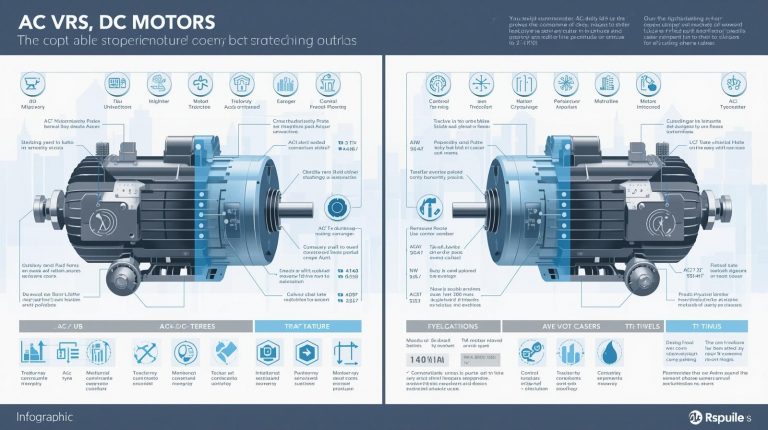
AC vs DC Motors: Efficiency, Control & Industrial Use Cases Compared

Brake Motors Explained: Holding Torque, Safety & Emergency Stop Applications Brake motors are essential in applications where loads must stop quickly, hold position securely, or prevent movement during power loss. Unlike standard motors, a brake motor includes an integrated electromagnetic…