
Worm Gearbox Maintenance Explained: Lubrication, Wear, Heat and How to Maximise Service Life
Correct worm gearbox maintenance is essential for reliable operation and long service life. Many gearbox failures are not caused by incorrect sizing — but by poor lubrication, excessive heat, or unsuitable operating conditions.
This guide explains how to maintain worm gearboxes properly, what causes premature wear, and how to spot early warning signs before costly breakdowns occur.
Why Worm Gearbox Maintenance Is So Important
Worm gearboxes operate using a sliding contact between the worm and the worm wheel. This design makes lubrication and heat management far more critical than with helical or spur gearboxes.
- Higher friction = higher heat
- Lubrication quality directly affects efficiency
- Poor maintenance dramatically shortens lifespan
If you’re new to worm gear systems, start here: What Is a Worm Gear Motor and When Should You Use One?
Lubrication: The Single Most Important Factor
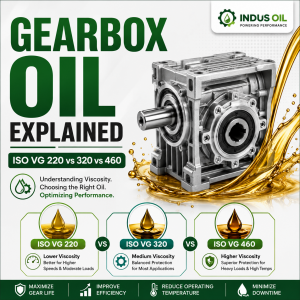
Correct lubrication reduces friction, limits wear, and controls heat build-up. Using the wrong oil — or running with low oil level — is one of the most common causes of worm gearbox failure.
Key Lubrication Points
- Always use the manufacturer-recommended oil type
- Check oil viscosity for operating temperature
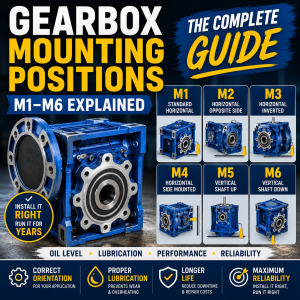
- Maintain correct oil level for the mounting position
Mounting orientation directly affects oil distribution. If mounted incorrectly, gears and bearings may not receive adequate lubrication. Learn more here: Worm Gearbox Mounting Types Explained
How Often Should Worm Gearbox Oil Be Changed?
Oil change intervals depend on duty cycle, temperature, and operating environment. As a general guideline:
- Initial oil change: after run-in period (if specified)
- Normal duty: every 4,000–8,000 operating hours
- High temperature or continuous duty: more frequently
Always follow manufacturer recommendations, especially for synthetic oils.
Heat: The Silent Gearbox Killer
Excessive heat accelerates oil breakdown and gear wear. Worm gearboxes naturally run warmer than helical gearboxes, but excessive temperature is a warning sign.
Common causes of overheating include:
- Excessive load or incorrect sizing
- High reduction ratios
- Poor ventilation
- Continuous-duty operation beyond design limits
For a deeper explanation, read: Worm Gear Motor Efficiency Explained
Common Signs of Worm Gearbox Wear
Early detection of wear can prevent catastrophic failure. Watch for:
- Rising operating temperature
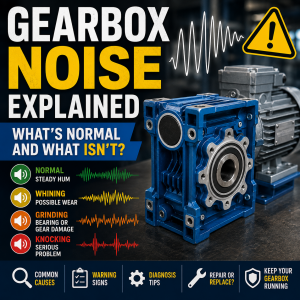
- Increased noise or vibration
- Oil contamination or metallic particles
- Reduced torque output or slipping under load
Any of these symptoms indicate the gearbox should be inspected or serviced immediately.
Duty Cycle and Service Life
Worm gearboxes are often best suited to intermittent or moderate-duty applications. Continuous heavy-duty operation significantly reduces service life unless the unit is oversized.
When selecting a gearbox, always consider:
- Operating hours per day
- Load consistency
- Ambient temperature
- Start/stop frequency
This selection guide is essential: Things To Know Before Selecting A Gearbox
Worm Gearbox vs Helical Gearbox: Maintenance Comparison
Compared to helical gearboxes, worm gearboxes:
- Require closer attention to lubrication
- Are more sensitive to heat
- May have shorter service life in continuous duty
If low maintenance and long life are priorities, it may be worth comparing alternatives: Bevel Helical Gearbox Vs Worm Gearboxes
Best Practices to Maximise Worm Gearbox Lifespan
- Select the correct gearbox size with safety margin
- Avoid extreme ratios where possible
- Ensure correct mounting orientation
- Maintain proper lubrication and oil change intervals
- Monitor temperature and noise during operation
These simple practices can dramatically extend gearbox life and reduce downtime.
Browse Worm Gear Motors and Gearboxes
If you’re replacing an existing unit or upgrading for better reliability, explore worm gear motors and gearboxes suitable for industrial applications.
Browse Worm Gear Motors & Gearboxes →
Need help selecting the right unit? How to Choose the Right Worm Gear Motor in 2026 →